Jesus Got Me Faith: A Graphic Designer's Review for Crafts and Graphics
I recently received a brief from a boutique owner launching a new line of handmade Christian apparel and home decor. She needed a visual anchor that felt authentic, warm, and deeply personal without looking generic or mass-produced. While browsing creative marketplaces, I stumbled upon the Jesus Got Me Faith design asset. As a professional designer who has spent years refining brand identities and crafting marketing visuals, my first instinct is always to scrutinize the file before committing it to a client project. This review breaks down exactly how this graphic design asset performs in a real-world scenario.
First Impressions and Visual Mood
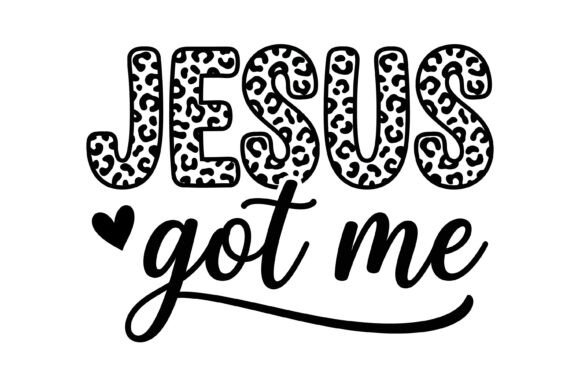
The moment you open the Jesus Got Me Faith file, the mood is immediately established. It is not a sterile, corporate vector; it carries the texture and personality of a modern design meant for emotional connection. The typography blends bold statement lettering with the organic chaos of a leopard print pattern. This combination creates a striking juxtaposition between the sacred message of faith and a trendy, edgy aesthetic. It feels like a conversation starter rather than a background element.
In the context of Crafts and Graphics, this asset stands out because it avoids the cliché of standard script fonts often found in religious merchandise. Instead, it offers a contemporary edge that appeals to younger demographics while maintaining the reverence required for the subject matter. The inclusion of words like Belief, Religion, and Love alongside the main quote suggests a thematic depth that can support broader campaign narratives. For a small business branding project, this level of character is exactly what separates a generic product from a memorable brand identity.
Real-World Application in Client Projects
How does this design translate when placed into actual deliverables? During my test phase for the client's mockups, I found that Jesus Got Me Faith excels as a hero graphic on landing pages and social media posts. The high contrast and intricate details of the leopard pattern draw the eye, making it perfect for Instagram pins or Pinterest boards where stopping power is essential.
For physical products, the versatility is impressive. When applied to t-shirt designs or tote bags via sublimation, the design holds its integrity well. The vector nature of the source files allows me to scale the artwork up for large layout areas, such as banner ads or event posters, without losing resolution. I also tested it as a decorative accent on packaging design. Placing the quote on a kraft paper label created a rustic yet stylish look that elevated the perceived value of the handmade goods.
The asset works particularly well for digital sellers and print-on-demand entrepreneurs. Whether creating a sticker design for a laptop or a printable wall art piece for a nursery, the design provides a ready-made focal point. It simplifies the workflow for content creators who need to produce marketing visuals quickly without sacrificing quality. The fact that it comes in multiple formats means it fits seamlessly into any workflow, from Canva templates to professional vector software.
Where This Design Asset Shines
There are specific scenarios where Jesus Got Me Faith is an absolute winner:
- Product Mockups: The design adds instant personality to mugs, phone cases, and apparel, making them look cohesive and professionally styled.
- Themed Collections: It serves as a unifying element for a seasonal campaign or a limited-edition drop, tying various products together under one visual umbrella.
- Social Media Graphics: The bold typography ensures readability even on smaller mobile screens, driving engagement through strong visual hierarchy.
- Cricut Projects: Crafters will appreciate the clean lines and editable paths, allowing for precise cutting on vinyl or cardstock.
When to Use Caution
However, every designer knows that no single asset is a universal solution. There are contexts where Jesus Got Me Faith might feel too busy or distracting. If your client requires a minimalist branding approach, the leopard print pattern could clash with the desired clean aesthetic. Similarly, in crowded layouts with complex backgrounds, the detail of the design might get lost, reducing its impact.
I would advise against using this asset for professional corporate materials where a more subdued tone is necessary. In low-contrast environments, the subtleties of the pattern may vanish, turning the text into a muddy blob. Additionally, if the project demands very strict visual hierarchy where the text must be the sole focus, the decorative elements might compete for attention. Always ensure the background color supports the design; dark backgrounds require careful adjustment to maintain legibility.
Technical Considerations for Commercial Use
Before delivering this to a client, a responsible designer must verify the technical specifications. The file package includes SVG, PDF, JPEG, PNG Transparent, and EPS Editable fil formats, which covers almost every base. However, simply having these files isn't enough; you must inspect them.
File Integrity and Editability: Open the SVG or EPS file to check the vector paths. Ensure that the leopard pattern is grouped correctly and that the text is still editable. Sometimes, exported files flatten layers, making it impossible to change the font or adjust the spacing later. If the text is converted to outlines, you lose the ability to correct typos or modify the kerning, which can be a dealbreaker for a custom client project.
Transparency and Backgrounds: Check the PNG transparency carefully. Look for jagged edges or halos around the text, especially where the white parts of the letters meet the leopard pattern. These artifacts can ruin a print-on-demand product. If the file includes a JPEG, remember that it lacks transparency and will require you to manually remove the background if you want to layer it over other images.
Contrast and Readability: Test the design in black and white. Does the hierarchy remain clear? Is the message "Jesus Got Me Faith" instantly readable? You should preview the asset at both small and large sizes. On a tiny Cricut sticker, the fine details of the print might disappear, so you may need to simplify the design or increase the stroke width. Conversely, on a large poster, ensure the resolution is sufficient to avoid pixelation.
Licensing and Commercial Rights: This is the most critical step. Verify the commercial license associated with the download. Some assets allow personal use only, meaning you cannot use them for a client's product line without purchasing an extended license. Confirming commercial license terms protects both you and your client from legal issues down the road.
Final Verdict for Design Professionals
Jesus Got Me Faith is more than just a clipart illustration; it is a robust creative design tool that brings a unique energy to projects. It bridges the gap between spiritual messaging and modern aesthetics, making it ideal for handmade businesses, small business branding, and editorial design. By understanding its strengths and limitations, designers can leverage this asset to create polished, professional results that resonate with audiences.
Whether you are building a brand identity, designing a marketing visual, or preparing a Cricut project, this graphic design asset offers a solid foundation. Just remember to do your due diligence on the file formats, test the contrast, and respect the licensing agreements. When used thoughtfully, it transforms a simple quote into a powerful visual statement.