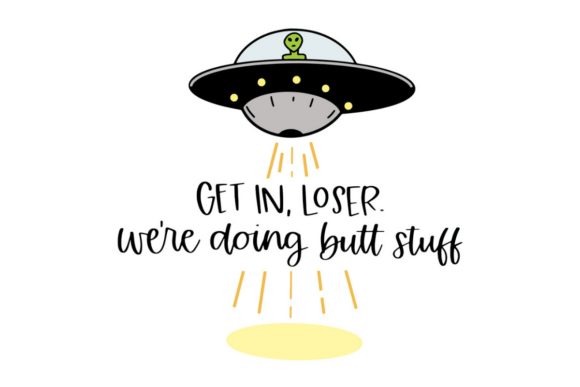
Get in Loser We re Doing Butt Stuff
As someone who has stitched thousands of designs for everything from boutique branding to personalized baby gifts, I approach every new machine embroidery design with a mix of excitement and skepticism. When I first saw the "Get in Loser We re Doing Butt Stuff" digital design, my initial reaction was a chuckle. It takes a classic pop culture quote and twists it into something irreverent and hilarious. But beyond the humor, the real question for any serious crafter or Etsy seller is: does this actually work as a finished product? Can you trust this embroidery file to hold up on a high-wear item like a sweatshirt or a tote bag?
The answer lies in how the visual personality of the piece translates into thread. This design isn't just text; it features a colorful UFO illustration complete with a green alien pilot. That combination of typography and graphic elements creates a specific mood that feels perfect for modern, playful craft business items. However, mixing complex graphics with bold lettering requires careful planning regarding stitch density and fabric choice.
From Screen to Stitch: The Real-World Scenario
Let's imagine a practical scenario. You are an Etsy seller preparing inventory for a holiday gift season. You want to create a custom embroidered tote bag featuring this design. Your goal is to make something that stands out on social media but also feels professional enough to command a higher price point. You load the digital embroidery file into your machine and hooping a heavy-duty canvas tote.
The first thing you notice is the layout. The phrase "Get in Loser We re Doing Butt Stuff" is likely set in a fun, casual font, which pairs well with the whimsical UFO art. On a mockup, it looks vibrant. But in the hoop, things change. The text needs to be legible even after the stitching process adds texture. If the letters are too thin or the spacing is too tight, the satin stitches might crowd each other, making the message hard to read. For a project like this, the design needs enough room to breathe so the punchline lands effectively.
The UFO element introduces another layer of complexity. A green alien pilot usually involves fill stitches to create the shape of the ship and the character. Fill stitches can add significant bulk. If you are embroidering this onto a soft, stretchy t-shirt, the tension of the fill stitches could cause the fabric to pucker around the edges of the UFO. In our tote bag scenario, using a stabilizer is non-negotiable. Without it, the weight of the alien and the ship could distort the canvas, ruining the straight lines of the text.
Where This Design Shines in Embroidery Projects
Despite the technical challenges, there are many places where this design will excel. Its humorous nature makes it ideal for products that benefit from a bit of attitude. Think about a kitchen towel for a home cook who loves a good joke. The durability of a cotton tea towel handles the stitch density of a UFO graphic beautifully. Similarly, for a nursery decor item, the alien theme offers a unique twist on traditional baby embroidery, provided the colors are softened slightly to suit a baby's room.
- Sweatshirt Embroidery: The thick fabric of a fleece hoodie provides a sturdy base for the dense fill stitches of the UFO. The contrast between the bright alien and the dark fabric of a black hoodie would look striking.
- Embroidered Patches: If you plan to sell this as an iron-on patch, the distinct shapes of the UFO and the clear text make it a strong candidate. Just ensure the border is clean so it doesn't fray when cut.
- Boutique Branding: Small shop owners looking for merchandise that reflects a fun brand voice will find value here. It works perfectly for limited-run drops where uniqueness is key.
When used correctly, this design boosts the perceived value of the handmade product. Customers aren't just buying a bag; they are buying a conversation starter. The recognition of the quote combined with the visual gag creates a memorable finished product that buyers are eager to share online.
Critical Considerations for Commercial Use
However, not every surface is suitable for this design. There are specific scenarios where you need to exercise caution. If you attempt to stitch this onto a small hoop size, such as a cap or a tiny baby hat, the details of the alien pilot might get lost. Tiny lettering in a script or condensed font can become illegible if the stitch count is too low. Always inspect small details before committing to a production run.
Textured fabrics present another hurdle. If you try to embroider this on a heavily textured wool or a very thin silk, the needle may struggle to penetrate consistently, leading to skipped stitches. Dark fabrics require a careful selection of thread colors. While the description mentions a colorful UFO, ensuring the green alien pops against a navy blue background is crucial. You might need to adjust the underlay settings or choose a lighter shade of green for better visibility.
Layered garments, like jackets with zippers or pockets, can also pose issues. The thickness of the layers can throw off the tension of the machine, causing the design to look distorted. Furthermore, if you are selling these items commercially, remember that products subject to frequent washing, like aprons or kids' clothes, need robust construction. Check whether the design includes proper edge finishes to prevent fraying over time.
Practical Designer Notes for Success
Before you start mass-producing items with "Get in Loser We re Doing Butt Stuff," take a moment to test the design on scrap fabric. This simple step saves hours of frustration. Run a test on both light and dark backgrounds to see how the thread colors interact. Review the stitch density in your software; if the fill areas are too dense, consider reducing the stitch count to reduce puckering.
Confirm the hoop size requirements for the full design. If the UFO and text span a large area, you may need a larger hoop than you initially planned. Also, check the licensing terms carefully. Ensure you have the right to sell finished items made with this design if you are a commercial entrepreneur. Some graphics files are for personal use only, and violating these terms can lead to legal trouble.
Finally, compare the design in black and white mockups. Sometimes, color hides structural flaws. If the text disappears when viewed in grayscale, you know the font weight is too light for embroidery. By taking these steps, you ensure that your craft business remains professional and reliable.
In conclusion, "Get in Loser We re Doing Butt Stuff" is a fantastic addition to any designer's library of design assets. It brings energy and humor to projects ranging from personalized gifts to boutique branding. With the right fabric, stabilizer, and attention to detail, this design can transform a standard craft item into a standout piece that customers love. Just remember to test thoroughly and respect the limitations of the medium to achieve the best results.